
Understanding FTP - The Game Changer for Cyclists and Triathletes
Understanding FTP - The Game Changer for Cyclists and Triathletes
If you’ve spent any time training seriously for cycling or triathlon, you’ve probably heard the term FTP thrown around in training apps, coaching sessions, or group rides. But what exactly is it, and why does it matter so much?
FTP stands for Functional Threshold Power. In simple terms, it is the highest average power (measured in watts) you can sustain for roughly one hour. It represents the highest intensity you can hold without your body switching overwhelmingly to anaerobic metabolism and rapidly accumulating fatigue. Think of it as your personal “red-line” for sustained efforts—the power you could theoretically hold in a hard 40 km time trial or the bike leg of a sprint distance triathlon.
Why FTP is so important
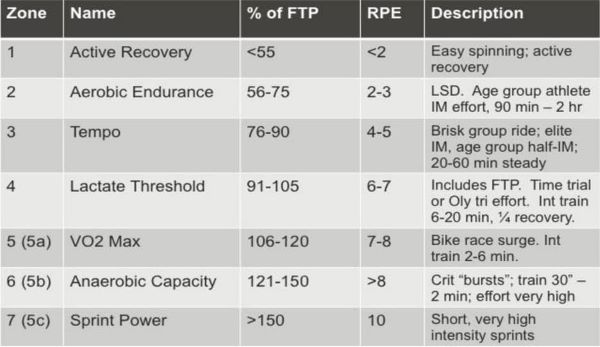
It creates personalised training zones Once you know your FTP, every training session becomes targeted. Power zones (based on Dr. Andrew Coggan’s model) are percentages of your FTP:
Zone 2 (Endurance) – 56–75 %: the bread-and-butter of long rides and base building
Zone 3 (Tempo) – 76–90 %: great for raising threshold
Zone 4 (Threshold) – 91–105 %: the sweet spot for improving FTP itself
Zone 5+ (VO₂max and above): short, sharp intervals for top-end power
Training without zones is like driving with your eyes closed. With zones, you know exactly how hard to push on Tuesday’s intervals and how easy Sunday’s recovery ride should feel.
It turns race-day pacing from guesswork into science In a cycling time trial or gran fondo, riders who know their FTP can hold 88–95 % of it for an hour and finish strong. Go too hard early and you blow up; stay too conservative and you leave time on the table.
In triathlon the advantage is even bigger. The bike leg is where most age-group athletes lose or gain the most time. Knowing your FTP lets you set a sustainable power target (often 75–85 % for Olympic distance, 68–78 % for Ironman) so you exit T2 with fresh legs for the run. Countless athletes have ruined their marathon by riding at 90 % of FTP for the first hour—only to crawl the last 10 km.
It tracks real fitness progress Body weight, resting heart rate, and how you “feel” can all be misleading. FTP is objective. When your 20-minute power test jumps from 260 W to 290 W after a structured block, you know the training is working. It’s the single best number to guide periodisation, set goals, and celebrate improvements.
How to find your FTP
The most common method is a 20-minute all-out effort (after a solid warm-up). Take 95 % of that average power as your FTP. Ramp tests and critical power testing are also popular. Retest every 6–8 weeks to keep your zones accurate.
Bottom line: FTP isn’t just another number on your bike computer. It’s the foundation of smart, efficient, goal-oriented training. Whether you’re chasing a sub-5-hour Ironman bike split or simply want to drop your local 40 km TT time, knowing and training with your FTP is the fastest way to turn hours on the bike into real performance gains.
Visit our website: www.custombikefit.com
Submit a bike fit enquiry: CLICK HERE
Call Michael: 0400 510 515
