
Pedal Your Way to Better Health: The Physical & Mental Benefits of Cycling
Cycling is more than just a way to get around—it's one of the most accessible, enjoyable, and effective forms of exercise for boosting both physical and mental health. Whether you're commuting, hitting trails, or spinning on a stationary bike, regular pedaling delivers science-backed benefits that can enhance your life at any age or fitness level.
Physical Health Benefits
Cycling is a low-impact aerobic activity that strengthens your body without excessive joint stress—ideal for longevity and injury prevention.
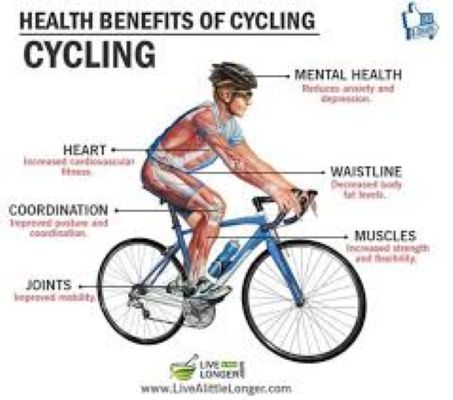
Cardiovascular fitness surges: Regular cycling improves heart and lung function, lowering blood pressure and reducing risks of heart disease, stroke, and type 2 diabetes. Studies show cyclists have a significantly lower risk of cardiovascular hospitalizations and all-cause mortality compared to non-active commuters.
Weight management and body composition: It burns calories efficiently while building lean muscle in the legs, core, and glutes. Even modest daily rides reduce body fat, improve metabolic health, and support better cholesterol levels.
Muscle strength, balance, and coordination: Pedaling engages major muscle groups, enhances flexibility, and sharpens proprioception. Research highlights that lifelong cyclists often experience healthier knees, less arthritis pain, and improved mobility into later years.
Disease prevention: Beyond heart health, cycling is linked to lower risks of certain cancers, obesity, and even dementia. One recent study found cycling associated with a 19-22% reduced risk of all-cause dementia and Alzheimer's.
These gains come with minimal strain—making cycling sustainable for people with joint issues or those returning to activity.
Mental Health Benefits
The mind benefits just as profoundly, often through a powerful combo of endorphin release, fresh air, and rhythmic motion.
Mood boost and reduced depression/anxiety: Cycling triggers the release of endorphins, serotonin, and dopamine—the brain's "feel-good" chemicals—creating a natural "cycling high" similar to a runner's high. Numerous studies link regular cycling to lower symptoms of depression and anxiety, with some research showing it ranks highly among activities for positive mental health impact.
Stress relief: The repetitive pedaling and exposure to nature or open roads lower cortisol (the stress hormone), promoting relaxation and better emotional regulation. Cyclists often report feeling calmer, more centered, and less overwhelmed by daily pressures.
Improved mental clarity and cognitive function: Increased blood flow and oxygen to the brain sharpen focus, memory, and problem-solving. Many riders describe rides as moving meditation—helping clear mental fog and foster mindfulness.
Enhanced self-esteem and social connection: Achieving ride goals builds confidence, while group rides or commuting foster community and reduce isolation—key factors in combating loneliness.
Recent evidence from large-scale studies reinforces these perks: active cyclists show lower risks of mental health prescriptions and better overall well-being, with benefits amplified by outdoor riding.
In short, cycling isn't just exercise—it's a holistic habit that fortifies your body against chronic disease while nurturing your mind against stress and low mood.
If you would like help to make your rides more sustainable, so that you can keep cycling consistently for years, simply reach out below. I'd love to help you 'turn the wheels' towards better health!
Visit our website: www.custombikefit.com
Submit a bike fit enquiry: CLICK HERE
Call Michael: 0400 510 515
