
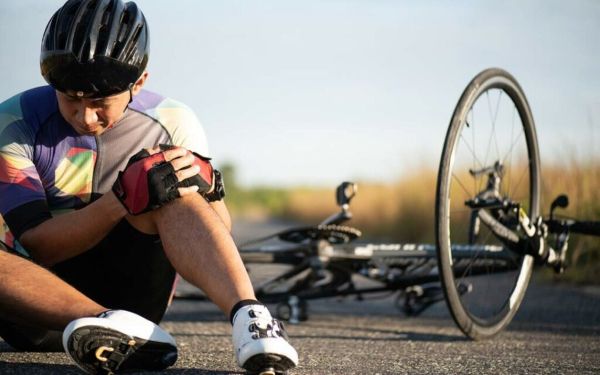
How a Professional Bike Fit Can Prevent (or Fix) the Top 5 Cycling Overuse Injuries
How a Professional Bike Fit Can Prevent (or Fix) The Top 5 Cycling Overuse Injuries
As a professional bike fitter working with triathletes and road cyclists, I see the same overuse injuries cropping up repeatedly. These aren't usually from acute trauma but from repetitive stress amplified by poor bike positioning—issues that accumulate over long rides, training blocks, or races.
A precise, individualized bike fit addresses the root biomechanical causes, often resolving or preventing these problems without endless rest or physio visits. Here are the top 5 cycling overuse injuries I encounter most, their common triggers, and how targeted fit adjustments fix them.
1. Anterior knee pain (patellofemoral pain or patellar tendonitis)
This front-of-knee ache, often behind or around the kneecap, flares during climbs, long efforts, or after sitting. It's frequently caused by a saddle that's too low (excessive knee flexion under load), cleats positioned too far forward (overloading the patellar tendon), or poor fore-aft saddle placement forcing the knee to track incorrectly.
How a fit fixes it: Raise the saddle incrementally (start with 3–5 mm) to achieve 25–35° knee flexion at bottom dead centre—reducing compressive forces. Move cleats slightly rearward to balance quad/hamstring load and align the knee over the pedal spindle. Adjust saddle fore-aft so the tibial tuberosity sits roughly over the pedal axle in the 3 o'clock position. Many clients report 70–90% pain reduction after these tweaks alone.
2. Lower back discomfort or pain
Lower back strain hits hard on long rides—aching, tightness, or sharp twinges from prolonged flexion. Common culprits include excessive reach to the bars (over-stretching the spine), saddle too high (rocking pelvis), low handlebars forcing a rounded posture, or inadequate core support in aggressive positions.
How a fit fixes it: Optimize saddle height and tilt for a neutral pelvis (slight anterior tilt). Reduce reach by raising bars or shortening stem length to allow a more upright torso without losing aero efficiency. For triathletes on clip-ons, forward saddle movement opens the hip angle, unloading the lumbar spine. Adding core off-bike work amplifies results, but fit changes often provide immediate relief.
3. Neck and shoulder strain
Neck pain, upper trapezius tightness, or shoulder fatigue builds from hyperextended necks staring forward or overloaded shoulders bearing too much weight. Aggressive drop, long reach, or low arm pads in aero force constant extension and tension.
How a fit fixes it: Raise handlebars or arm pads to bring elbows under shoulders for better skeletal support. Shorten reach if forearms strain forward. Ensure saddle-to-bar drop suits your flexibility—many triathletes need a more conservative stack for sustainable aero holds. These adjustments reduce muscular effort, letting the skeleton carry load and easing neck/shoulder strain dramatically.
4. Saddle sores and perineal pressure
Irritation, numbness, or sores from uneven pressure, chafing, or soft-tissue compression plague long-distance riders. Nose-down tilt, narrow/wrong-width saddle, excessive forward saddle position, or high pressure from poor leg alignment contribute.
How a fit fixes it: Set neutral to slight nose-up tilt (1–3°) for even sit-bone distribution. Choose saddle width matching ischial tuberosity measurement. Fine-tune fore-aft so weight sits on sit bones rather than soft tissue. Address leg-length discrepancies with shims and cleat tweaks to prevent rocking or uneven pressure. Clients often switch saddles post-fit for perfect match—preventing recurrence.
5. Hand numbness or "cyclist's palsy" (ulnar/median nerve compression)
Tingling, numbness in fingers (especially ring/little), or weakness stems from prolonged pressure on handlebars compressing nerves in the palm/wrist. Too-low bars, excessive weight forward, locked elbows, or poor padding exacerbate it.
How a fit fixes it: Raise bars to reduce drop and weight on hands. Encourage slight elbow bend and relaxed grip. Adjust reach so shoulders aren't hunched forward. For aero, pad armrests and ensure pads support forearms without wrist extension. Many see symptoms vanish by shifting 20–30% of load off hands through better positioning.
These overuse issues share a common thread: suboptimal biomechanics from mismatched bike setup. A professional fit isn't just about comfort—it's about efficiency, power sustainability, and injury resilience, especially for triathletes juggling swim/bike/run loads.
If you're dealing with any of these, don't wait for it to "go away" with more rest. Small, evidence-based adjustments during a fit often deliver outsized gains in pain-free miles and performance. Book a session if persistent symptoms linger—your body (and your next PB) will thank you.
Visit our website: www.custombikefit.com
Submit a bike fit enquiry: CLICK HERE
Call Michael: 0400 510 515
